
Harsh Shampoos Create the Rebound Cycle – The Science of Stripping & Rebound
The “Clean Slate” Betrayal
You step out of the shower. Your scalp feels clean, your shoulders look clear. Relief feels instant and convincing.
Yet, beneath that calm lies the familiar anxiety: you’ve been here before. Scalp calm after washing, then flakes return. This isn’t your fault. In fact, it reflects a predictable pattern driven by the dandruff shampoo relapse rate. That 48-hour cycle of temporary calm and rapid flare-up is exactly what keeps three out of four people trapped in a loop of cleaning and relapse.
This cycle is at the heart of the hidden 48-hour dandruff cycle no one talks about, where surfactant stripping, sebum rebound, and fungal repopulation all converge. Understanding this mechanism is the first step toward breaking free.
The Molecular Trigger Behind the Harsh Shampoo Rebound Cycle Scalp
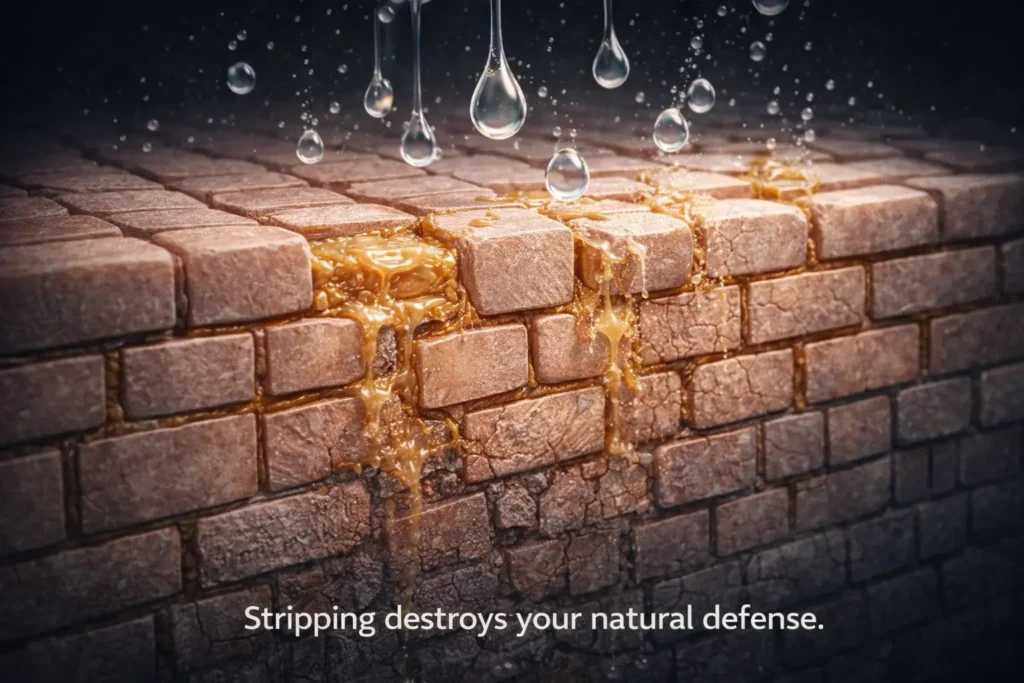
Harsh surfactants like Sodium Lauryl Sulfate (SLS) disrupt the scalp’s acid mantle. Natural lipids are stripped away. Consequently, the epidermal barrier fails, leaving your scalp defenseless.
When the barrier is compromised, hyper-seborrhea kicks in. Your scalp produces more oil to compensate, feeding residual yeast and irritation. Studies show that most treatments suffer from the 75% relapse rate no one warns you about ([Post 3](Post 3)).
In short, the more you strip, the faster the scalp rebounds. You aren’t failing. Biology is.
Malassezia’s Banquet: – How Stripping Fuels the Dandruff Shampoo Rebound Rate
Once the barrier is broken:
- Sebum floods the scalp.
- Oil oxidizes → oleic acid forms → Malassezia feasts.
- Yeast repopulates. Biofilm forms, protecting colonies for future relapse ([Post 6](Post 6)).
Even if you follow instructions perfectly, the fungus wins because the environment favors its growth. For a deeper dive into oil rebound, see [“oil rebound after dandruff shampoo”](Post 10).
Why More Shampoo Isn’t Better
Using harsh shampoos more frequently backfires:
- Barrier destruction accelerates.
- Chronic irritation develops.
- Symptoms flare faster.
Real patient experiences show that repeated use doesn’t cure—they worsen the treatment-resistant pattern ([Post 9](Post 9)).
Remember: this is structural. The scalp microbiome dictates flare-ups, not hygiene.
Escaping the Harsh Shampoo Rebound Cycle Scalp for Good
To regain control, transition to a restorative routine:
- Use pH-balanced, non-stripping cleansers. Protect natural lipids.
- Rotate antifungal actives using the Rotation Protocol. Prevent biofilm persistence.
- Support the scalp microbiome with gentle, barrier-friendly ingredients.
- Limit washing frequency to reduce compensatory sebum spikes.
Take action now: [discover how to finally escape the ‘only works while I use it’ trap](Post 15).
With consistent application, you shift from temporary suppression to long-term regulation.
Reclaim Your Scalp’s Autonomy
The harsh shampoo rebound cycle scalp is biological, not personal failure. With proper care:
- Flare intensity decreases.
- Barrier integrity improves.
- Microbiome stabilizes.
Eventually, your scalp can self-regulate oil and fungal growth. Flakes return less often, symptoms soften, and relief lasts.
Next Steps:
- [Go from 24-hour relief to 30-day clear scalp (exact sequence)](Post 17).
- Learn how the cycle sustains profits in [the $20 billion dandruff cycle Big Shampoo doesn’t want you to escape](Post 18).
FAQ
Q1: Why do flakes return after using harsh shampoos?
A1: Stripping lipids triggers compensatory oil production. Malassezia feeds, biofilm forms, and flakes recur within 48 hours.
Q2: Can the rebound be stopped?
A2: Yes. Use non-stripping cleansers, rotate antifungal actives, and restore the scalp microbiome.
Q3: Is frequent shampooing effective?
A3: No. Over-washing accelerates the rebound cycle and damages the barrier.