
The Invisible Fire: Dry Scalp and Itching Causes & Quick Relief
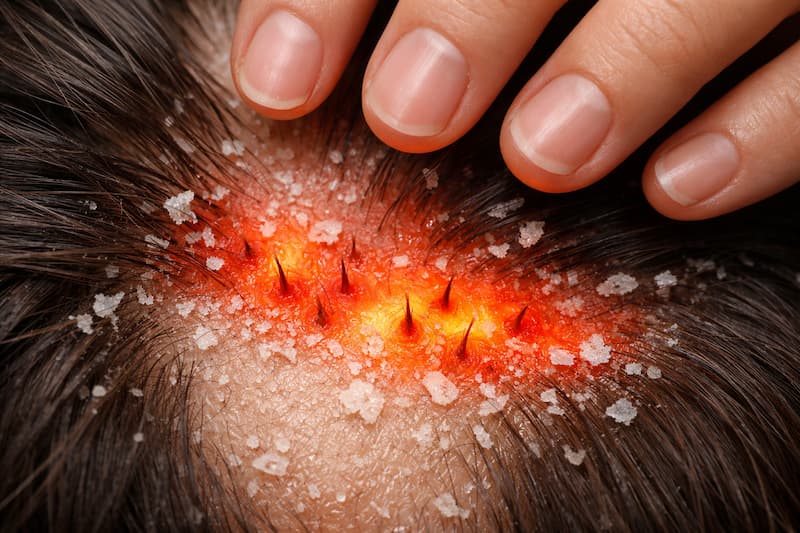
Introduction: When Your Scalp Won’t Stop Screaming
It often begins as a subtle prickle, barely noticeable. Soon, it escalates into a persistent heat that makes you scratch without thinking. This sensation is more than an annoyance it’s your scalp sending a warning.
Understanding the link between dry scalp and itching is crucial. When the barrier is compromised, the skin loses moisture, triggering the “Invisible Fire” that can eventually stress hair follicles. By recognizing these early signals, you can intervene before the irritation leads to hair breakage.
Through simple observation and mindful care, you can start addressing the root cause rather than masking the symptoms. Each sensation your scalp communicates is an opportunity to restore balance and maintain healthy hair growth.
Clinical Causes of Dry Scalp and Itching: Why the Fire Starts
Dry scalp and itching rarely appear without a reason. In most cases, the irritation begins when the scalp barrier weakens. Once that barrier breaks down, the skin becomes more sensitive to the environment.
As a result, moisture escapes faster from the scalp surface. Scientists call this process transepidermal water loss (TEWL). When this happens, the skin dries out quickly and irritation begins.
Over time, this dryness creates the uncomfortable sensations many people feel as itching or burning.
The Barrier Breakdown
Your scalp contains protective lipids that help seal moisture into the skin. These lipids act like a thin shield between the scalp and the outside environment.
One important group of lipids includes short-chain fats such as C8 lipids. These molecules help keep the skin flexible and protected.
However, when these lipids decrease, the barrier becomes weak. Moisture escapes more easily, and the skin surface starts to dry out.
At the same time, the nerve endings inside the skin become less protected. Because the barrier is thinner, these nerves react more strongly to normal sensations such as air movement, temperature, or friction.
As a result, the scalp may feel prickly or sensitive even when nothing obvious is touching it.
Histamine Responses
The body also responds to dryness in another way. When the skin barrier becomes damaged, the immune system releases small chemical signals.
One of these signals is histamine. Histamine plays an important role in the body’s defense system.
However, histamine also activates the nerve pathways that create itching sensations.
When the scalp becomes extremely dry, histamine release increases. Consequently, the brain receives repeated signals that something is wrong.
This process explains why dry scalp and itching often appear together. The itch is not random. Instead, it is a biological warning that the skin barrier needs support.
Understanding the Signal
Sometimes flakes appear together with the irritation. In that situation, it becomes important to identify the exact cause.
If you notice flakes along with the itch, review our guide on can dry scalp cause itching (Day 2). That guide helps you determine whether the irritation comes from dryness itself or from a secondary fungal reaction.
The Itch–Scratch Cycle: How Scratching Fuels Dry Scalp and Itching
When dry scalp and itching begin, scratching often feels like the quickest relief. At first, the itch may fade for a moment. However, the relief rarely lasts. Soon afterward, the itch returns even stronger.
This pattern creates what specialists call the itch–scratch cycle. In simple terms, scratching the scalp makes the irritation worse instead of better.
Mechanical Trauma
Your fingernails are much sharper than they look. When you scratch your scalp, the nails drag across the skin surface.
As a result, they create tiny breaks in the skin barrier. Scientists call these small injuries micro-fissures.
Although these cracks are very small, they still matter. They weaken the protective layer that normally keeps bacteria and irritants out.
Once the barrier breaks, environmental particles and microbes can enter the skin more easily. Consequently, the scalp becomes even more sensitive.
This process is known as mechanical skin damage. Over time, repeated scratching makes the scalp barrier thinner and more fragile.
The Inflammation Loop
Scratching also affects the body’s immune response.
When the skin becomes injured, the body sends extra blood flow to the area. This reaction helps deliver nutrients and immune cells that support healing.
However, increased blood flow also creates warmth and swelling. Because of this change, the scalp may feel hot or irritated.
At the same time, the immune system releases chemical messengers called inflammatory cytokines. These molecules alert the body that the skin is under stress.
Unfortunately, cytokines also stimulate nerve endings in the skin. As a result, the itching sensation becomes stronger.
This creates a loop. First, the scalp itches. Then scratching damages the skin. After that, inflammation increases. Finally, the itch becomes even worse.
Breaking this cycle becomes essential for healing. Once scratching stops, the scalp barrier has a chance to repair itself. Over time, reducing mechanical damage helps calm dry scalp and itching and restores a healthier skin environment.
Immediate Relief Tips for Dry Scalp and Itching
When dry scalp and itching become intense, the first goal is simple. You need to calm the skin quickly. Fortunately, a few gentle methods can reduce irritation without damaging the scalp barrier.
Instead of aggressive treatments, focus on cooling the skin and protecting moisture. These steps help stop the “Invisible Fire” before it grows stronger.
The Itch-Rescue Matrix: Your 3-Step Emergency Protocol
When dry scalp and itching suddenly flare up, the first instinct is to scratch. However, scratching makes the problem worse. Fingernails damage the fragile skin barrier and create tiny tears. As a result, the irritation grows stronger.
Instead of scratching, use a simple three-step emergency protocol. This method works by calming the nerves, restoring balance to the skin surface, and protecting the barrier. In many cases, it can reduce the itch in just a few minutes.
The 3-Step “Fire Extinguisher” Protocol
| Step | Action | The Reason It Works |
|---|---|---|
| 1. Thermal Reset | Apply a cold, damp cloth or a chilled gel pack for about 2 minutes. | Cold causes vasoconstriction, which means blood vessels narrow slightly. As a result, heat decreases and the histamine reaction slows down. |
| 2. pH Calibration | Lightly mist the area with diluted apple cider vinegar spray. (pH ≈ 4.5–5.5) | A slightly acidic environment helps repair the acid mantle. Consequently, nerve endings calm down and the skin barrier becomes more stable. |
| 3. The Lipid Seal | Apply two drops of squalane or MCT oil directly to the irritated spot. | These oils mimic natural scalp lipids. Therefore, they replace the missing barrier and protect the nerves from air and irritation. |
Why This Protocol Stops Dry Scalp and Itching Quickly
Many anti-itch creams fail because they address only one part of the problem. Some formulas are too alkaline. Others leave a thick layer that traps heat on the skin.
In contrast, this protocol targets the three main triggers behind dry scalp and itching.
First, the cold reset calms the nerves. Cooling the skin reduces the signals that tell your brain something is wrong.
Next, the pH spray restores the scalp’s natural acidity. When the acid mantle returns to balance, the skin cells tighten and irritation decreases.
Finally, the lipid seal protects the barrier. This step prevents transepidermal water loss (TEWL) while blocking environmental irritants.
Together, these three actions work like a small “fire extinguisher” for the scalp.
The “No-Scratch” Rule
Even with treatment, the urge to scratch may still appear. When that happens, avoid using your nails.
Instead, press the itchy spot gently with the pads of your fingers. Firm pressure activates a different nerve pathway than itching.
Because of this change, the brain receives a new signal. As a result, the itch sensation weakens without damaging the skin.
When the Scalp Keeps Reaching a Boiling Point
If dry scalp and itching return often, a deeper routine may be necessary. In that situation, cooling treatments used regularly can help stabilize the scalp environment.
For example, refrigerated botanical mists can calm irritation throughout the day. If you want to try this approach, explore our itchy dry scalp DIY fixes . That guide explains how to create long-term cooling sprays you can keep in your fridge for fast relief.
Long-Term Solutions for Managing Dry Scalp and Itching
Quick fixes can calm dry scalp and itching for a short time. However, long-term relief requires changing the environment around your scalp. In other words, the goal is to protect moisture and remove daily triggers.
Two major factors control scalp comfort. First, the level of moisture in the air. Second, the products used during washing. When these two areas improve, the scalp can rebuild its protective barrier.
Systemic Hydration: Why Water Alone Is Not Enough
Many people believe drinking more water will fix dry scalp and itching. Hydration does help the body, but it plays a small role in scalp moisture.
In fact, internal hydration contributes only a small part of the solution. Meanwhile, environmental desiccation often causes the bigger problem.
Environmental desiccation means the air around you is too dry. When the air lacks humidity, moisture escapes from the skin faster. This process is known as transepidermal water loss.
As a result, the scalp becomes tight, flaky, and itchy.
Therefore, improving the surrounding environment can make a noticeable difference.
You can support scalp hydration in several simple ways:
- Use a humidifier in dry rooms, especially during sleep.
- Avoid extremely hot showers that strip moisture.
- Apply lightweight oils or serums after washing to slow moisture loss.
Together, these habits help stabilize the scalp barrier and reduce irritation over time.
Routine Audits: Removing the Hidden Triggers
Daily products also affect dry scalp and itching. Many shampoos marketed as “deep cleaning” contain strong detergents.
These formulas often rely on sulfates, which remove oil very quickly. While this may feel refreshing at first, the scalp can become overly dry.
As a result, the skin reacts with irritation and itching.
For this reason, reviewing your wash routine is important. This process is called a routine audit.
Start by checking your shampoo label. If the formula contains harsh sulfates, consider replacing it with a sulfate-free cleanser.
Gentler cleansers remove dirt without dissolving the scalp’s natural oils. Because of this, the skin barrier stays stronger after washing.
You can also adjust how often you wash your hair. Washing too frequently may strip the protective lipid layer before it has time to recover.
A calmer routine allows the scalp to regulate itself again.
Moving Toward Scalp Sovereignty
Over time, these changes lead to something called scalp sovereignty. This simply means your scalp can maintain balance without constant irritation.
Instead of reacting with dryness or itching, the skin stays stable and comfortable.
When the barrier stays healthy, dry scalp and itching become much less common. As a result, the scalp returns to its natural state: calm, protected, and resilient.
When to Seek Professional Help for Dry Scalp and Itching
Most cases of dry scalp and itching improve with better scalp care. However, some symptoms signal a deeper skin condition. In those situations, a clinical check becomes the smart next step.
Therefore, learning the warning signs can help you decide when home care is no longer enough.
Identifying Psoriasis vs. Simple Dryness
Sometimes dry scalp and itching look similar to another condition called scalp psoriasis. At first glance, both may show flakes and irritation. However, the texture and pattern are very different.
Psoriasis usually forms psoriatic plaques. These appear as thick patches of skin with a silvery-white surface. In addition, the patches often feel raised and firm.
Simple dryness behaves differently. The flakes are usually smaller and lighter. Meanwhile, the skin underneath tends to look pink or slightly irritated rather than thick.
You may also notice that psoriasis spreads beyond the scalp. For example, plaques can appear near the hairline, behind the ears, or on the neck.
If you see these signs, professional evaluation becomes important. A dermatologist trained in clinical dermatology can examine the scalp and confirm the cause.
Early diagnosis helps prevent long-term inflammation.
The Role of Stress in Scalp Flares
Stress also plays a major role in dry scalp and itching. When the body experiences pressure, it releases a hormone called cortisol.
Cortisol prepares the body for a “fight-or-flight” response. However, high cortisol levels can irritate sensitive skin.
As a result, the scalp may feel warmer, tighter, and itchier.
This reaction is known as cortisol-induced itching. The nerves in the skin become more sensitive. Consequently, even small triggers can feel intense.
For example, a mild dry patch may suddenly feel like a burning itch during stressful periods.
Managing stress can help calm the scalp.
Helpful habits include:
- Regular sleep schedules
- Gentle exercise
- Relaxation techniques such as deep breathing
When stress levels stabilize, scalp inflammation often improves as well.
Conclusion: Extinguishing the Dry Scalp and Itching Fire
At the start of this guide, dry scalp and itching may have felt confusing and frustrating. Many people react by scratching, hoping the feeling will disappear.
However, scratching only feeds the irritation cycle.
Now you understand what is actually happening beneath the skin. The itch often begins with barrier damage, moisture loss, or inflammation.
Because of this knowledge, you are moving from scratching for relief to healing with intention.
Small actions make a large difference. Gentle washing protects the scalp barrier. Proper hydration supports skin recovery. Cooling techniques calm sudden flare-ups.
Over time, these steps help your scalp rebuild its natural balance.
The learning process does not stop here.
To strengthen your long-term defense, explore our guide on natural dry scalp remedies . These strategies nourish the barrier from the inside out.
Next, we will also examine the deeper causes behind flaking in “Flake Causes” .
If you want a simple tool to manage sudden itch attacks, keep the emergency plan close.
Download the “Sovereignty Strategy Guide.” Inside, you will find the Itch-Rescue Matrix, the 3-step emergency protocol designed for fast relief during a flare-up.