
Scalp Health Checklist: How to Read What Your Scalp Is Telling You
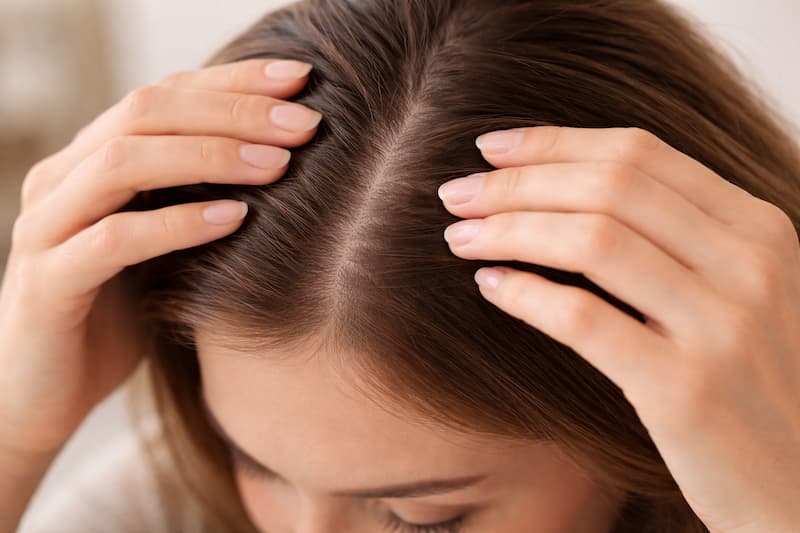
I. Introduction: Decoding the Language of Your Scalp
A scalp health checklist helps you stop guessing and start understanding what your scalp is actually saying.
So, if you’ve been switching products over and over, you’re not alone.
At first, everything feels confusing.
However, your scalp is giving you clear signals—you just need to read them right.
Some irritation comes from simple dryness.
But in other cases, it points to deeper scalp inflammation or chronic issues.
So instead of trial and error, you use a system.
And that’s exactly what this scalp health checklist gives you.
II. Why You Need a Scalp Health Checklist Today
The Masking Effect
Most anti-dandruff shampoos work fast.
But they only hide the problem for a short time.
So, while flakes disappear, your lipid barrier keeps getting weaker.
And because of that, the irritation returns even worse.
This is called subclinical inflammation.
It means damage is happening even when you don’t see it yet.
The Proactive Path
Now, if you wait too long, small issues grow.
And over time, this can affect follicular health.
That means weaker hair.
And sometimes even thinning.
So, using a scalp health checklist early helps prevent bigger problems.
Because you catch the signs before they get serious.
III. The “Mild” Category: Signs of Environmental Stress
Assessment Point 1: The Tightness Test
First, notice how your scalp feels after washing.
If it feels tight or dry, that’s a warning sign.
This usually means moisture is escaping too fast.
And that’s called transepidermal water loss (TEWL).
Assessment Point 2: Fine, White Flakes
Next, look closely at your flakes.
If they are small and white, it’s often dryness.
So, your scalp needs hydration.
Not harsh antifungal treatment.
Assessment Point 3: Seasonal Reactivity
Now, pay attention to changes in weather.
Does your scalp get worse in cold or dry air?
Also, think about your water.
Hard water leaves minerals that disrupt your scalp.
Because of this, your pH balance shifts.
And that leads to irritation.
IV. The “Serious” Category: When the Scalp Health Checklist Signals Danger
Assessment Point 4: Redness and Swelling
If your scalp looks red, take it seriously.
Because redness means deeper inflammation.
Swelling shows your skin is reacting strongly.
So, this is more than simple dryness.
Assessment Point 5: The “Sticky” Scale
Now check the type of flakes.
If they are yellow, oily, or stick to your scalp, that’s different.
This points to Malassezia overgrowth.
And it’s a key sign of seborrheic dermatitis.
Assessment Point 6: Tenderness and Heat
Finally, notice how your scalp feels to the touch.
If it feels warm or sore, your immune system is active.
This is a cytokine response.
And it means your body is fighting something.
V. Using Your Scalp Health Checklist to Take Action
For Mild Results
If your symptoms are mild, start simple.
Focus on hydration and protection.
So, switch to gentle products.
And remove harsh irritants from your routine.
Use bio-compatible ingredients.
Because they support your natural barrier.
For Serious Results
If your symptoms are stronger, you need a structured plan.
This is where a barrier-first approach matters.
Start with ScalpRx to repair your lipid layer.
Then follow the 7-Day Scalp Reset to calm inflammation.
At the same time, reduce triggers.
Because your scalp needs time to recover.
The Professional Threshold
Sometimes, home care is not enough.
And that’s okay.
If your scalp stays red, painful, or persistent, see a dermatologist.
Because clinical support can speed up recovery.
VI. Conclusion: From Assessment to Mastery
A scalp health checklist gives you clarity.
So instead of guessing, you understand your scalp step by step.
When you read the signs correctly, your choices improve.
And your scalp starts to recover faster.
Over time, this builds confidence.
Because you’re no longer reacting—you’re managing.
Call to Action
Want a more guided experience?
- Take the Scalp Type Quiz for a personalized profile
- Explore The Root Cause of Seborrheic Dermatitis if your symptoms are serious
- Use ScalpRx if your checklist shows barrier damage
- Download the Scalp Health Checklist PDF to track your progress
Because once you understand your scalp, fixing it becomes much easier.