
Water-First Relief: Implementing Oil-Free Scalp Hydration Hacks
The Great Oil Myth
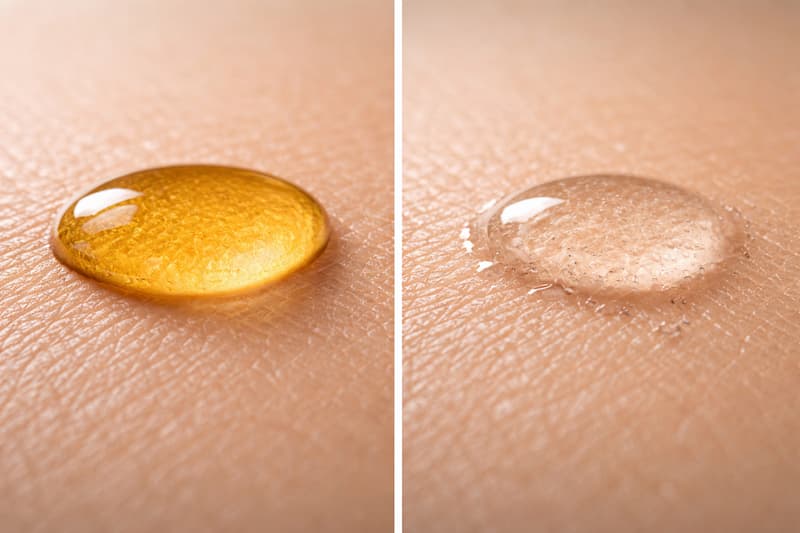
For years, you’ve heard the same advice: oil your scalp and the dryness will stop. It sounds logical. It feels nourishing. But oil does not create moisture. It only seals what is already there. If your scalp lacks water, adding oil simply coats the surface. You’ve greased the desert.
Dryness is usually a water problem, not an oil problem. When the barrier weakens, hydration escapes and low-grade inflammation builds beneath the surface.
To calm the Invisible Fire, you need scalp hydration hacks that prioritize water-binding humectants over heavy lipids. In 2026, the focus shifts to the H₂O molecule — restoring water first, then sealing it properly.
Why Water Beats Grease: Essential Scalp Hydration Hacks
Dry and dehydrated are not the same.
Dry skin lacks oil.
Dehydrated skin lacks water.
Most modern scalp complaints stem from dehydration. Indoor heating, frequent washing, harsh surfactants, and stress all increase transepidermal water loss (TEWL). As a result, the barrier weakens and tightness sets in.
Oil cannot replace lost water. Instead, it slows evaporation of what little moisture remains. Therefore, if you start with oil, you often trap imbalance beneath the surface.
Water-based solutions correct the root issue. Through proper humectant delivery, ingredients like glycerin and hyaluronic acid draw water into the stratum corneum and improve flexibility.
In other words, hydration restores function. Grease only masks symptoms.
While oils can seal the surface, you must first hydrate the scalp naturally (Day 15) using water-based methods that penetrate the outer barrier.
Kitchen Chemistry: Safe DIY Scalp Hydration Hacks
You do not need heavy oils to hydrate effectively. In fact, some of the best solutions are simple and oil-free.
Three reliable options:
- Aloe Vera – supports aloe-based hydration while calming irritation
- Glycerin – attracts moisture from the environment into the skin
- Rose Water – lightly hydrates and soothes without residue
These ingredients act like magnets for moisture. Because they are lightweight, they reduce the risk of clogged follicles. That makes them ideal for non-comedogenic DIY routines.
For example:
- Mix pure aloe gel with a few drops of glycerin
- Apply to a damp scalp
- Leave on for 20–30 minutes before rinsing
The texture should feel light, not greasy.
If you enjoy mixing your own solutions, our guide on DIY dry scalp treatments (Day 11) provides the perfect base for these oil-free variants.
The “Hose vs. Sealant” Framework for Scalp Hydration Hacks
Think of hydration in two roles:
The Hose delivers water.
The Sealant prevents loss.
First, apply a hydrator. Aloe or hyaluronic acid supplies water-binding actives that increase internal moisture levels. Without this step, nothing meaningful changes.
Next, assess your barrier.
If it is severely compromised, add a light sealant. This is called occlusive layering. A few drops of jojoba or squalane can reduce further evaporation.
However, most people do not need both steps. For nearly 90%, consistent hydration alone restores balance.
Therefore, start with the hose. Only reach for the sealant when true barrier damage exists.
Hydrate first. Seal only if required.
Troubleshooting Your Oil-Free Scalp Hydration Hacks
If your scalp feels tight after a water-based treatment, something is off. Hydration should increase flexibility, not create tension.
Two common causes explain this reaction.
1. Your pH Is Off
The scalp prefers a slightly acidic range (around 4.5–5.5). When a product is too alkaline, the cuticle lifts and moisture escapes faster.
As a result, you feel dryness even after applying a hydrator.
Fix it:
- Choose pH-balanced hydration formulas
- Avoid baking soda or high-alkaline DIY mixes
- Rinse with slightly cool water to help reset the surface
Balanced pH supports barrier recovery and reduces irritation.
2. Hard Water Buildup
Mineral-heavy water leaves deposits on the scalp. Over time, hard water buildup creates a film that blocks proper absorption.
Therefore, your hydrator sits on the surface instead of penetrating.
Signs of mineral interference:
- Dull hair
- Persistent tightness
- Products that suddenly “stop working”
Solutions:
- Install a shower filter
- Use a gentle chelating shampoo weekly
- Rinse occasionally with diluted apple cider vinegar (properly balanced)
When minerals clear, hydration improves.
Conclusion: Graduation to Professional Hydration
Mastering scalp hydration hacks changes your approach. You stop coating symptoms and start supporting function.
Instead of “greasy and itchy,” your scalp becomes clear and calm. Instead of reacting to flare-ups, you manage moisture proactively.
Hydration is the foundation. However, it only works if cleansing does not undo it.
Once you’ve mastered the hydration phase, make sure your wash step supports it by choosing the right dry scalp treatment shampoos (Day 23).
From there, continue to Day 21 for the full integration strategy and final framework.
For a shortcut, download the 39-page PDF strategy guide. Inside, you’ll find our Oil-Free Shopping List the exact products that deliver moisture without residue or barrier disruption.