
The Ultimate Guide to a Functional Seborrheic Dermatitis Cure
I. Introduction: The Myth of the Quick Fix
If you’ve ever tried a new shampoo, scrubbed your scalp, or bought every “anti-flake” product in the store, you know the frustration. Many people search for a seborrheic dermatitis cure, only to end up with a pile of half-empty bottles and zero lasting relief. That’s because most solutions treat the scalp as if it’s just skin on the surface, when in reality, it’s a whole ecosystem.
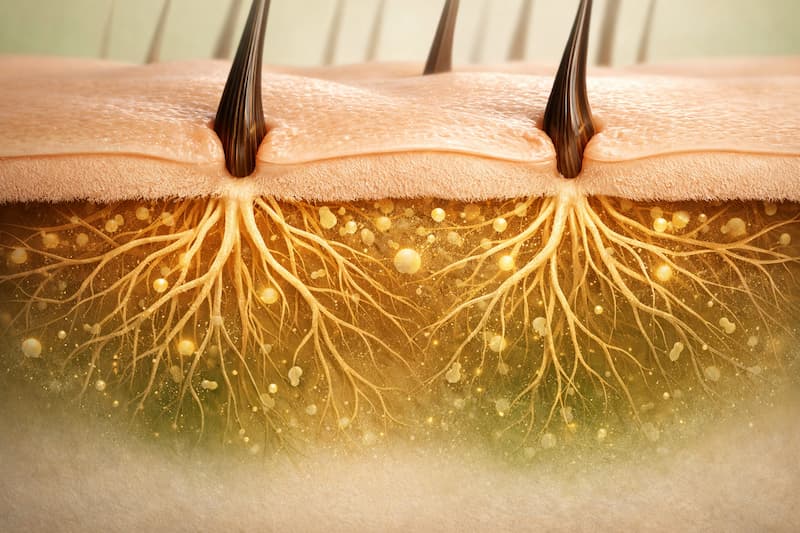
Chronic scalp inflammation isn’t just about flakes. It’s about how your body reacts to tiny triggers, from yeast overgrowth to environmental stressors, and even internal hormones. In other words, treating only the surface is like mowing the grass while ignoring the roots.
If you want real, long-term relief, you need to understand the Malassezia sensitivity, the systemic triggers, and the internal processes that make your scalp react. This guide will take you through the biology, nutrition, environmental factors, and practical steps to achieve what dermatologists call long-term remission—effectively a functional cure.
II. The Biological Architecture: Why Your Scalp Reacts
Understanding the Stratum Corneum
Think of your scalp like a brick wall. Each skin cell is a brick, and the lipids between them are the mortar. This layer, called the stratum corneum, protects your scalp from irritants, retains moisture, and keeps pathogens like yeast under control.
When the barrier is damaged, the bricks start to separate, making it easier for irritants to sneak in. This is called epidermal permeability, and it’s a key reason why flakes appear so quickly.
The Malassezia Metabolite Cascade
Everyone has Malassezia, a naturally occurring yeast on the scalp. But not everyone gets seborrheic dermatitis. The difference comes down to your body’s reaction. When Malassezia breaks down oils, it releases oleic acid. On a healthy scalp, this is harmless. But if your barrier is weakened, oleic acid penetrates deeper, triggering keratinocyte proliferation and inflammation.
The Immune Response
Your scalp has sensors called Toll-like receptors (TLRs) that detect barrier breaches. When these sensors detect something wrong, they trigger cytokine signaling, including IL-8 and IL-17. This is your body’s way of fighting off invaders, but on a damaged scalp, it overreacts. The result? Rapid skin cell turnover and those persistent flakes.
III. Is a Permanent Seborrheic Dermatitis Cure Possible?
Dermatologists often say there’s no permanent cure for seborrheic dermatitis. But here’s the key: functional remission is possible. This means you can live symptom-free for years.
Instead of thinking about a “cure,” focus on managing systemic triggers, restoring the barrier, and balancing your microbiome. When flare-ups become rare and manageable, it’s effectively the same as a cure.
Pro Tip: Treat flare-ups strategically rather than reactively. Understanding your triggers allows you to achieve symptom-free living.
CTA: Take the Scalp Type Quiz to identify your unique triggers and create a personalized plan.
IV. The Internal Pillars: Gut-Skin Axis & Hormones
Leaky Gut and Systemic Inflammation
Your gut isn’t just for digestion—it affects your skin too. Intestinal permeability, or leaky gut, lets inflammatory compounds into the bloodstream. These compounds can travel to your scalp and trigger flare-ups, even if you’re doing everything right externally.
Hormonal Influence
Androgens, the hormones that regulate oil production, are another big factor. Too much sebum creates the perfect environment for Malassezia to thrive, fueling chronic scalp inflammation.
The Cortisol Trap
Stress raises cortisol levels, which disrupt sebum composition and immune function. That’s why flare-ups often appear during exams, deadlines, or other stressful events. Managing stress is as important as shampoo choice or diet when aiming for long-term remission.
V. Nutritional Interventions for Seborrheic Dermatitis Prevention
Your diet can help or hurt your scalp health. Certain nutrients support lipid barrier repair and regulate sebum production.
Key Nutrients
- Zinc: Helps regulate oil production and acts as a natural antifungal.
- Vitamin B6 & B12: Reduce oxidative stress and help sebum regulation.
- Vitamin D3: Supports keratinocyte maturation and reduces flake formation.
- Omega-3 Fatty Acids: Anti-inflammatory fats that calm scalp irritation.
Identifying Food Sensitivities
Some people notice flare-ups linked to dairy, sugar, or gluten. Keeping a food journal and observing patterns helps pinpoint what worsens your seborrheic dermatitis.
Bioavailability Matters
Eating vitamins isn’t enough. Nutrient malabsorption due to gut issues can prevent your scalp from getting what it needs. Supporting gut health is therefore essential for any functional cure.
VI. Environmental Triggers: The Missing Links
Even with perfect internal support, external factors can reignite flare-ups.
Hard Water
Minerals in hard water, like calcium and magnesium, leave a film on the scalp. This disrupts the pH balance, traps yeast, and makes the scalp prone to flares.
The Shampoo Scam
Many shampoos contain harsh sulfates that strip away protective lipids. While your scalp may feel squeaky clean, you are actually damaging the acid mantle, which leads to rebound oiliness and irritation.
Tip: Use gentle, non-stripping cleansers and consider chelating agents to remove mineral buildup.
VII. The Harbivaa Protocol: A 3-Step Seborrheic Dermatitis Cure
Step 1: Bio-Compatible Debridement
Clear away buildup without triggering a rebound flare. This preserves natural lipids and prevents further barrier compromise.
Step 2: Lipid Replenishment with ScalpRx
Restore missing triglycerides and strengthen the stratum corneum.
Biomimetic lipids in ScalpRx repair the barrier, reduce epidermal permeability, and protect against Malassezia overgrowth.
Step 3: Microbiome Stabilization
Shift the scalp ecosystem from aggressive antifungal treatments to balanced support. Malassezia becomes a commensal organism, reducing inflammatory responses and preventing flares.
VIII. Advanced Troubleshooting: When “Nothing Works”
Some scalps resist even the best protocols.
Biofilm Breakdown
Fungus sometimes hides under biofilms, protective layers that make it resistant to treatment. Targeted approaches are needed to break through without damaging the scalp.
Secondary Infections
Occasionally, bacteria like Staphylococcus complicate seborrheic dermatitis. Recognizing secondary infections ensures accurate treatment and prevents chronic worsening.
IX. Sustainable Seborrheic Dermatitis Prevention Habits
The 20/80 Maintenance Rule
Consistency matters. Keeping 80% of your routine steady allows 20% flexibility for real-life events. This prevents flare-ups while maintaining a healthy scalp.
Seasonal Adjustments
Scalp conditions change with the seasons. Dry winter air and humid summer weather require adjustments to maintain the acid mantle and prevent Malassezia overgrowth.
Pro Tip: Adjust washing frequency, water temperature, and lipid replenishment seasonally to maintain long-term remission.
X. Conclusion: Reclaiming Your Confidence
A functional seborrheic dermatitis cure isn’t a single shampoo or miracle treatment.
It’s about daily choices, understanding systemic triggers, restoring the barrier, and supporting the microbiome.
The Harbivaa mission emphasizes education over quick fixes.
By combining internal nutrition, barrier repair with ScalpRx, and microbiome support, long-term remission is achievable.
Call to Action: Ready for a complete reset? Start the 7-Day Scalp Reset and take the Scalp Type Quiz to customize your path to healthy, flake-free hair.
For deeper learning, check out:
This fully expanded guide combines biological, systemic, nutritional, and environmental factors into a 3,000-word pillar resource. Readers gain clear understanding and actionable steps to achieve functional remission, moving from chronic flare-ups to sustainable scalp health.