
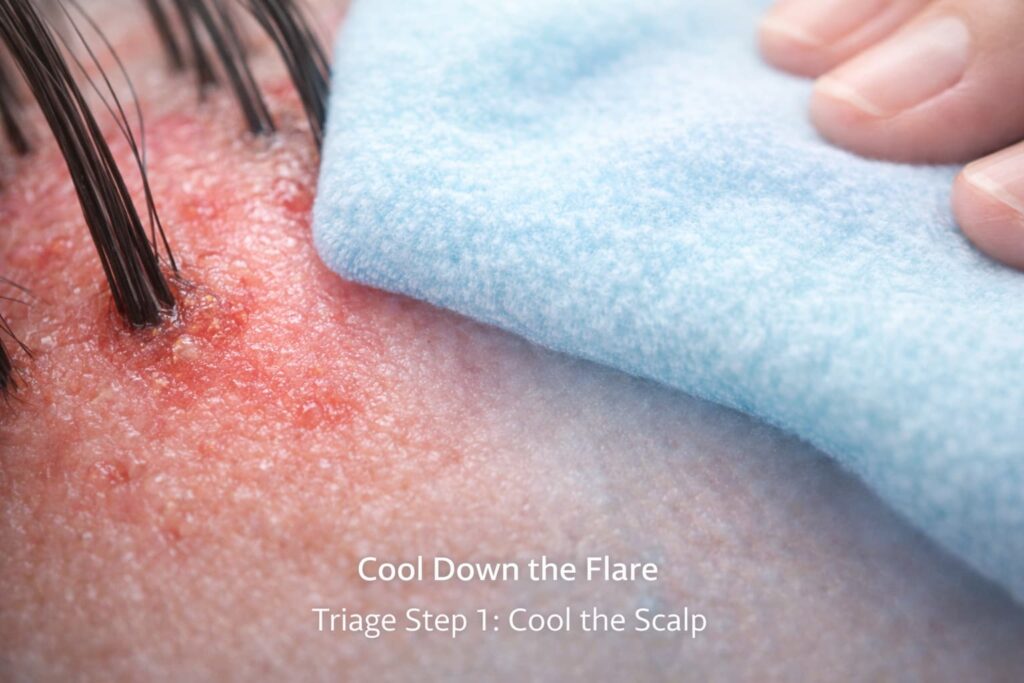
The Detergent Deception: Is Your Daily Wash Sabotaging Your Barrier? (The Sulfate-Free Shampoo Protocol)
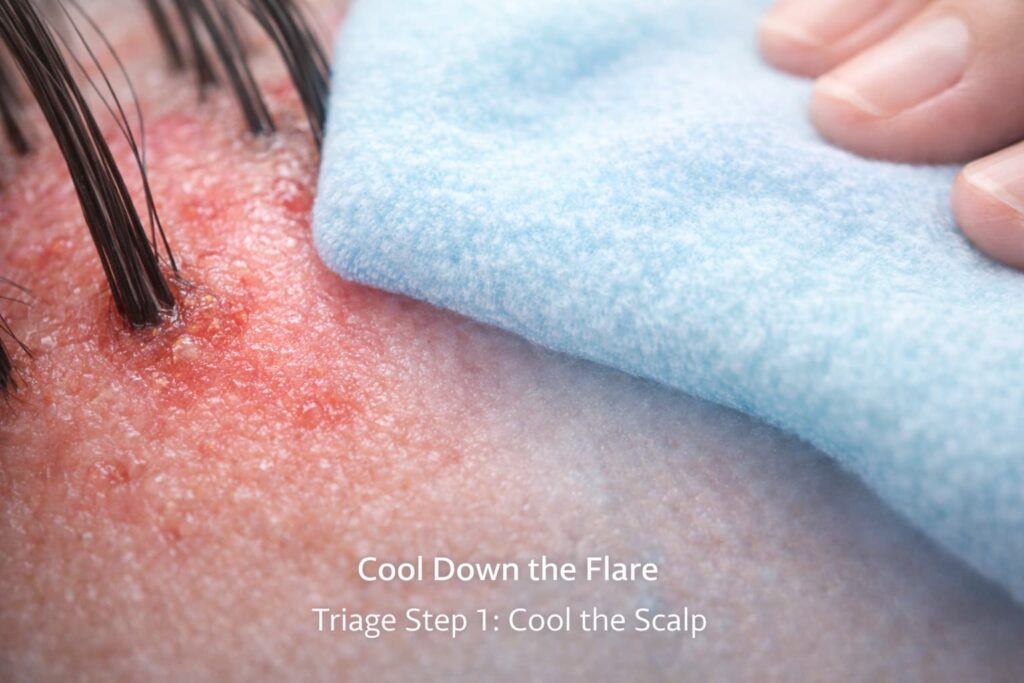
The Introduction
Imagine scrubbing a delicate silk scarf with a wire brush every single morning. Eventually, the fabric doesn’t just get clean—it shreds. That is the exact “chemical mutiny” happening on your scalp when you use industrial-grade detergents. If your roots feel tight and itchy minutes after rinsing, your cleanser isn’t working for you; it’s working against your biology.
Most people are accidentally dissolving their skin’s protective “mortar” with harsh bubbles, leading to chronic irritation. The clinical triage for this crisis is a strategic shift to a sulfate-free shampoo. By removing the aggressive surfactants that rip away your natural lipids, you stop the daily sabotage and finally allow your scalp’s architecture to heal. Let’s look at the label and see if your current bottle is the true culprit behind your scalp agony.
I. The Anionic Mutiny: Why Your Daily Shampoo Is the Problem
Your shampoo may be causing your itchy scalp. Most people think more foam means more clean.
However, that foam comes from strong chemicals.
Because of that:
- Your natural oils get stripped away
- Your scalp loses protection
- Your barrier becomes weak
So, when your scalp feels “squeaky,” it is not healthy. Instead, it is a sign your scalp is stressed.
II. Decoding the Label: How to Choose the Right Sulfate-Free Shampoo
Reading labels can feel confusing. However, you only need to spot a few key ingredients.
Red Flag Ingredients
Avoid shampoos with:
- SLS (Sodium Lauryl Sulfate)
- SLES (Sodium Laureth Sulfate)
- ALS (Ammonium Lauryl Sulfate)
These are strong cleaners that strip your scalp.
What to Look For Instead
Choose a sulfate-free shampoo with:
- Glucosides
- Isothionates
These are gentle cleansers. So, they clean your scalp without damaging it.
III. The Lipid Dissolve: What Sulfates Do to Your Scalp
Your scalp has a protective layer. Think of it like bricks and glue.
- Skin cells = bricks
- Lipids (fats) = glue
Now, sulfates break that glue.
Because of that:
- Your barrier opens up
- Moisture escapes
- Irritation starts
So, right after washing, your scalp may feel tight or itchy.
IV. The Transition Period: What Happens When You Switch
When you move to a sulfate-free shampoo, your scalp needs time to adjust.
The “Heavy” Phase
At first, your scalp may feel oily.
This can last 7–14 days.
Because:
- Your oil glands were overworking before
- Now they need time to slow down
The Recalibration
Over time:
- Oil production balances out
- Your scalp feels normal again
- Irritation reduces
So, this phase is temporary.
V. Traditional vs. Sulfate-Free Shampoo (Quick Table)
| Cleanser Type | Main Ingredient | Effect on Scalp | How It Feels |
|---|---|---|---|
| Traditional | SLS | Strips all oils | Tight, dry, itchy |
| Luxury | SLES | Still strips barrier | Soft at first, then dry |
| Sulfate-Free | Mild cleansers | Protects barrier | Calm, balanced, hydrated |
VI. Beyond the Suds: Why Sulfate-Free Shampoo Works Better
Cleaning your scalp should remove dirt, not damage your skin.
A good sulfate-free shampoo:
- Lifts dirt and buildup
- Keeps your natural proteins intact
- Protects your moisture barrier
This means your scalp stays hydrated while still being clean.
VII. Conclusion: Fixing Your Cleansing Routine
Your shampoo can either help or harm your scalp.
If you keep using harsh cleansers:
- Your barrier keeps breaking
- Your scalp stays irritated
However, when you switch to a sulfate-free shampoo:
- Your barrier starts to repair
- Moisture stays in
- Your scalp becomes balanced
Next step:
- Take the Sulfate Audit Quiz
- Check if your shampoo is causing your itchy scalp
- Find your best clinical match
If your scalp is already irritated, start with the 3-Day Scalp Reset.
Then switch to a low-foam, high-lipid cleanser like Herbivaa’s formula to maintain results.